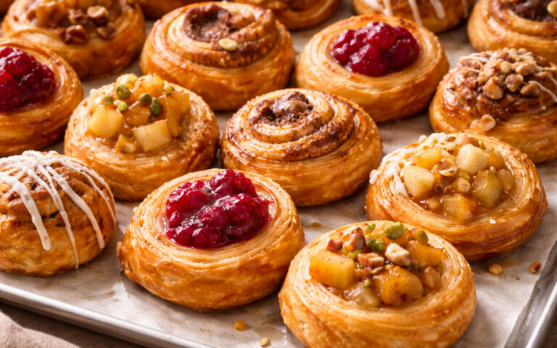
Premium frozen bakery is no longer carried by the word artisanal. A croissant can have a rustic photograph on the box, a sourdough story in the copy and a French-looking typeface on the label, but the shopper still judges it at the first crack of pastry, the first smell of butter, the first cut through the filling and the small private question that follows: was this worth paying more for?
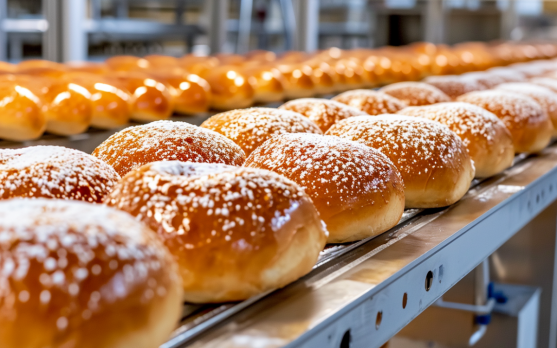
Artisan claims have become too easy
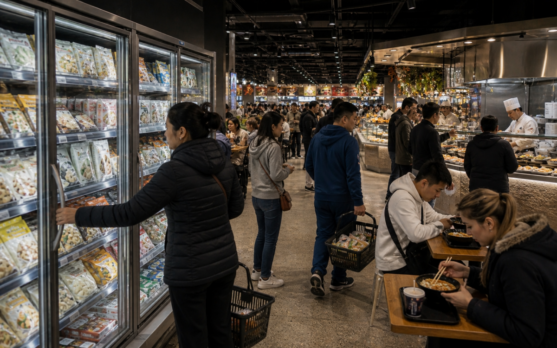
The freezer aisle has learned the language of the bakery counter. Rustic. Hand-finished. Crafted. Slow-fermented. All-butter. Stone-baked. Traditional recipe. Some of it is true. Some of it is packaging theatre. Most shoppers do not have the time or patience to separate the two while standing in front of a freezer door.
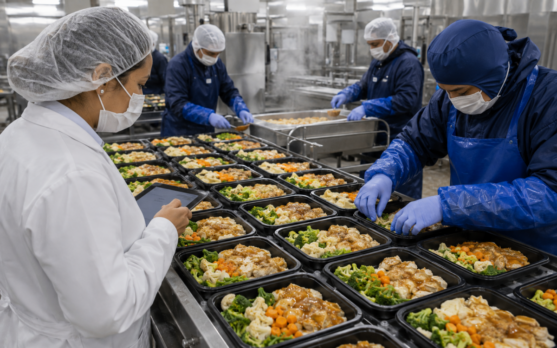
That is where premium frozen bakery has become more interesting, and more exposed. The category is trying to sell an experience that starts in an industrial plant, travels through cold storage, sits in retail or foodservice inventory, and still has to feel fresh, generous and slightly special at the point of eating. That is a harder job than writing artisan-style on a sleeve.
In a good frozen bakery product, premium is physical. It sits in the weight of the pastry, the colour after bake-off, the laminated lift, the smell of butter, the amount of filling, the way a crust breaks without turning dusty, the way a Danish survives being reheated by someone who has three other jobs to do. These are not decorative details. They are the cues that justify price.
The word artisanal may still help the first purchase. It rarely protects the second.
Butter and lamination do the heavy commercial work
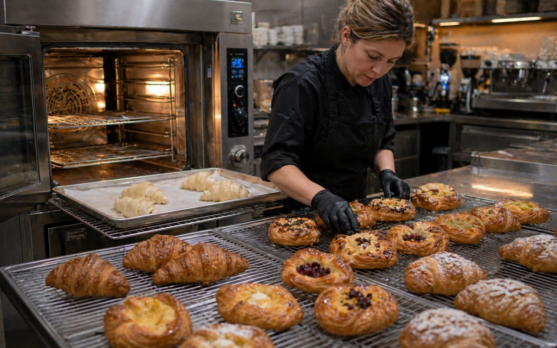
Ask a foodservice operator what makes a premium croissant feel premium and the answer will not start with a trend report. It will usually start with the oven. Does it rise? Does it smell right? Does it colour evenly? Does the tray look alive when it comes out at 7:15 in the morning?
Butter remains one of the clearest premium signals in frozen viennoiserie. It is also one of the most unforgiving. It helps deliver aroma, tenderness and flake, but it brings cost pressure and process discipline. Temperature control matters. Laminating consistency matters. The dough cannot be handled like a cheap carrier for a label claim. A butter croissant that leaks fat, bakes flat or feels heavy after thawing damages the whole premium promise.
Industrial bakery is now very good at making controlled irregularity. That phrase may sound uncomfortable, but it describes the category well. The product must look less mechanical than a standard line item, while behaving more predictably than a small bakery product. It needs visible layers and a natural surface, but it also has to fit a case count, a bake-off window, a pallet plan and a margin calculation.
Look at the way large B2B bakery suppliers present premium croissants and viennoiserie. The details are not vague. Butter percentage, layers, proofing instructions, bake times, box counts, origin cues, ready-to-bake or ready-to-prove formats. That is the real language of premium in frozen bakery. It is sensory, but also operational.
Fillings can lift value quickly, if they behave
Fillings are where frozen bakery can move from basic to premium without asking the shopper to understand production complexity. Almond cream, chocolate-hazelnut, pistachio, custard, apple, cherry, cheese, spiced savoury fillings and seasonal limited editions all do a simple piece of commercial work. They make the product feel more generous.
They also create problems. A filling that looks attractive in a cutaway image may migrate into the pastry during storage. A custard can feel too sweet after freezing. A fruit filling can leak. Chocolate can sit like a cold lump if the bake-off is poor. Pistachio can become a price signal before it becomes a flavour signal, especially if the dosage is timid.
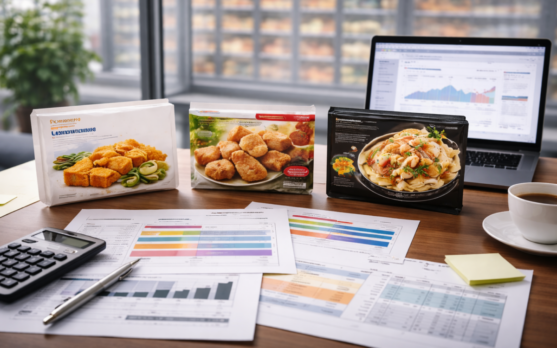
In a buyer presentation, a filled pastry always has a strong first moment. The tray arrives, the sample is cut, the filling shows. The room pays attention. The later questions are less flattering. Can the factory dose it consistently? Does it burst at the seam? Can the pack show the filling honestly? Does the eating quality survive after three months at minus 18 degrees? Can the retailer promote it without training the shopper to wait for discount?
Premium fillings work when they feel deliberate. Weak versions feel like a standard product wearing a more expensive centre.
Retailer premium own-label is changing the shelf
The old division between cheap own-label and trusted brand has become less useful in grocery. Retailers now use private label to build whole value ladders: entry, standard, better, premium, seasonal, health-led, indulgent. Frozen bakery fits that architecture almost too well.
A retailer can sell a standard croissant multipack, an all-butter premium tier, a seasonal almond or chocolate-hazelnut line, a brunch-focused range and a food-to-go freezer option without handing the whole category to national brands. The same freezer door can carry economy and indulgence, if the price gaps are clear and the product cues are strong enough.
Premium own-label has another advantage. It lets retailers create the feeling of trade-up without sending the shopper to a bakery chain or a café. That matters in a cost-conscious market. Consumers may cut back on eating out, but many still allow themselves small indulgences at home. A frozen premium pastry becomes a cheaper café moment, especially when it can be baked on demand.
The danger is clutter. If every product becomes premium, the shelf loses its hierarchy. Retailers will need sharper roles for each SKU: breakfast staple, weekend treat, dessert shortcut, sharing item, seasonal special, café replacement. The more precise the occasion, the easier the premium price becomes.
Foodservice bake-off turns premium into discipline
In foodservice, premium frozen bakery is less romantic. It is a system. A hotel breakfast manager wants trays that look good at 8:30 and again at 9:45. A convenience store wants aroma without a trained baker on site. A café wants a pastry that can sit beside coffee and still look worth the ticket price. A forecourt operator wants minimal waste at the end of the morning rush.
This is where bake-off products earn their keep. The best suppliers sell more than dough. They sell timing, consistency, portion control and fewer labour problems. A mini croissant for buffet service has a different role from a butter croissant for breakfast, a filled croissant for lunch or a savoury pastry for snacking. The operator is buying a menu solution, not just frozen stock.
Premium in this channel cannot depend on a skilled pastry chef rescuing the product. It has to work in the hands of ordinary staff. Instructions must be clear. The bake window must be forgiving. The product should not collapse if a tray sits a little too long before service. A premium product with fragile handling becomes a complaint waiting for a busy shift.
The best frozen bakery manufacturers understand this tension. They know the final bake is part of the product design. A croissant is not finished when it leaves the factory. It is finished when the operator gets the colour, flake and aroma right in front of the customer.
The forecast: fewer soft claims, more sensory proof
In the short term, premium frozen bakery will keep moving around all-butter croissants, filled viennoiserie, sourdough-style breads, laminated pastries, brioche formats, savoury bakes and seasonal treats. Pistachio, almond, chocolate-hazelnut and fruit will remain useful signals, though some of them will need careful handling as costs fluctuate and consumers become more sceptical of thin premium claims.
Over the next few years, the stronger growth is likely to come from affordable premium rather than luxury. Retailers will keep using own-label premium tiers to offer a better product at a price below cafés and artisan bakeries. Foodservice will keep leaning on frozen bake-off to reduce dependence on skilled labour while still selling freshness at the counter.
Longer term, the word artisanal will lose force unless it is backed by something the customer can see, smell or taste. Butter content, visible lamination, fermentation, provenance, better fillings, smaller batch cues and credible bake-off performance will matter more than soft storytelling. The category will not abandon craft language, but the language will need proof.
Premium frozen bakery has entered a less forgiving phase. That is not bad news. It means the category is becoming more serious about value.