Freeze Precision — Rethinking Cold in Potato Processing
In potato processing, cold is not just a setting on a control panel — it’s a moving target. Get it wrong by a single degree or a few seconds, and you can ruin a whole batch. Get it right, and you lock in texture, flavor, and shelf life that buyers from Tokyo to Toronto expect without compromise. This is not the old “blast it and hope” era. Precision freezing is becoming an operational art form, shaped by sensors, human instinct, and the physics of airflow.

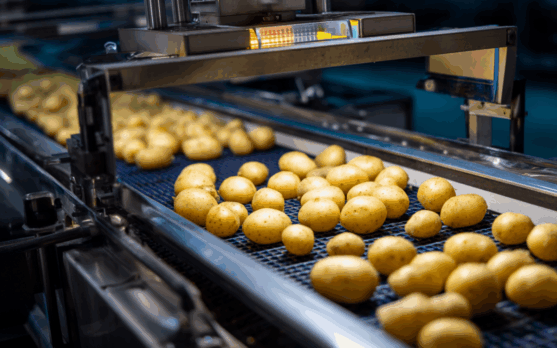
When you walk into the freezing hall of a modern potato plant, the first thing that hits you isn’t just the temperature — though it does bite hard at the face — it’s the sound. There’s a low, hollow rush from the fans, punctuated by sharper bursts when the air gates adjust. Somewhere in the distance, a metal conveyor rattles faintly, carrying fries that still steam from blanching. The contrast is violent: heat giving way to sub-zero chill in seconds.
The operators here no longer treat the freezer like a static box. One of them, a veteran with 22 winters on the line, says he can tell by ear when the airflow is right. “It’s a different pitch when the load’s balanced,” he mutters, glancing at the display — dozens of numbers changing in real time. Behind him, the system is quietly shifting fan speeds, directing air where the product density is highest. That wasn’t possible a decade ago. Back then, you blasted everything equally and crossed your fingers.
The technology has caught up with the complexity of the product. Shoestring fries and thick wedges don’t freeze the same way — they never did — but now, sensors track their journey individually. One line manager points to a thermal image on a tablet: different shades of blue marking zones that are already at target core temperature, others still in transition. It’s like watching weather patterns in fast forward, except the “forecast” here is whether a fry will keep its snap three months from now.
Cold precision isn’t just about quality; it’s about efficiency. Energy costs have been gnawing at margins, especially in Europe, and the smarter plants are fighting back with variable-speed compressors and energy recovery loops. In one facility, heat pulled from the freezing tunnel feeds into water preheating for the blancher — a small cycle, but enough to shave thousands off the utility bill each year. No one brags about it in marketing copy, but in procurement meetings, those numbers matter more than any glossy claim.
Sometimes, improvements come from noticing what doesn’t seem like a problem. In a plant I visited, they discovered that frost was building up faster on the south wall of the tunnel than anywhere else. The cause? Minute differences in how the intake ducts faced prevailing winds outside. Realigning them reduced defrost downtime by almost 14 hours per month. It’s a fix you won’t read in an engineering manual, but it’s the kind of detail that sticks in the mind — and in the profit sheet.
Product uniformity is the holy grail. If a batch of retail bags leaves the line with even small differences in surface frost, the consumer sees it the moment they open the pack. That’s why modern systems adapt freezing profiles on the fly based on packaging type. Bulk catering bags can handle a slower, deeper freeze without clumping; retail snack packs get a sharper, shorter chill to avoid moisture bleed during thaw. It’s a conversation between packaging and process that didn’t exist when each department worked in its own silo.
Maintenance, once the bane of cold rooms, is also turning predictive. A digital twin of the freezing tunnel in one Canadian facility now runs simulations overnight, feeding engineers a “risk map” before shifts start. A compressor motor with a vibration anomaly is flagged before it fails; fan blade imbalance shows up on a chart long before it starts eating bearings. The payoff isn’t just fewer breakdowns — it’s confidence. Production planners sleep easier when they’re not budgeting for surprise stoppages.
Quality control is moving upstream. Inline probes now measure product temperature and even surface crystal formation during freezing, not after. A floor supervisor describes it like having “a second pair of eyes inside the cold” — if a zone starts drifting even slightly, corrections happen mid-cycle, not after 300 kilos of fries have passed through in the wrong condition.
And then there’s the quiet, stubborn pressure of global uniformity. A fast-food chain wants identical fries whether they’re buying from a plant in Idaho, Poland, or southern India. That means shared freezing protocols, remote diagnostics, and sometimes, an expert in one country tweaking airflow settings in another. The cold chain has gone borderless.
Looking ahead, hybrid freezing — mixing air blast with cryogenic or even vacuum-assisted stages — is beginning to emerge. The promise? One line handling multiple SKUs in a single shift without losing precision. It’s still in pilot testing in a few places, but the chatter among engineers suggests that the gap between “possible” and “standard” is shrinking fast.
As one plant manager put it, while standing at the edge of a tunnel so cold it crusted his beard with ice in minutes: “Freezing isn’t where we finish the job anymore. It’s where we prove we know what we’re doing.”
Part of the series: ROOT REVOLUTION Series Overview
Explore the full editorial series.
- 01: Tuber Tomorrow — Market growth, shifting geographies, and the race for efficiency.
- 02: Steam & Sustain — How steam recycling is reshaping plant efficiency.
- 03: Freeze Precision — Rethinking Cold in Potato Processing.
- 04: Genome Crunch — Breeding the potato for taste, resilience, and transport.
- 05: Packaging Talk — Smart labels, greener wraps, and consumer trust.
- 06: Factory for the Neighborhood — Micro plants and local supply innovation.
- Bonus episode: Snack Culture Shock — How viral culture is changing potato products forever.
Conclusion
Precision freezing has moved from being a backroom process to a frontline discipline. Plants that master it are not only protecting product quality but also defending margins, meeting sustainability targets, and staying ahead in a market where buyers have no patience for inconsistency.
Essential Insights
The future of frozen potato processing belongs to those who treat freezing not as a step, but as a craft — tuned, tested, and constantly refined.