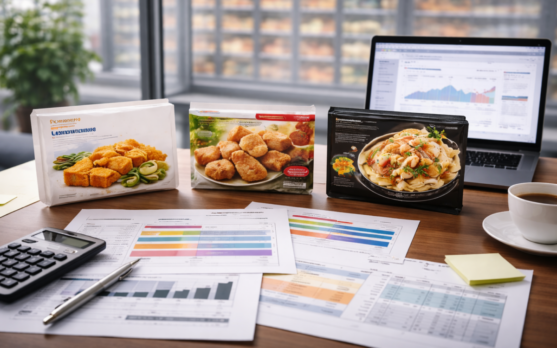
Newstalgia Comfort Foods With a Modern Twist
Nostalgia is back. Not in a museum way, and not as a lazy re-run of the past. More like a remix that knows exactly what it is doing. You see it everywhere: mac and cheese, grilled cheese, pizza flavors, classic snacks, retro desserts, the stuff people grew up with. The difference now is that the “same” product shows up with better macros, bolder flavor cues, and textures that feel premium instead of cafeteria. Brands are trying to deliver comfort that still fits a modern shopper’s standards, and a modern shopper’s feed. This is where “newstalgia” lands as a real market dynamic, not a cute word. It is comfort plus novelty, with just enough upgrade to justify a higher price, a new SKU, or a repeat purchase.
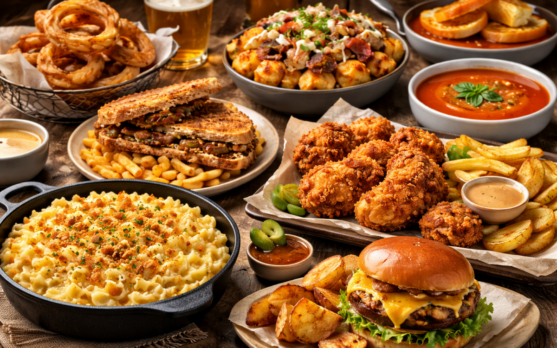
Why nostalgia came back now, and why it is not the same nostalgia
Comfort food always rises when life feels noisy. That part is not new. What is new is how quickly trends now move from a feeling to a product to a viral moment. Social platforms reward familiarity because it is instantly legible, but they also punish anything that feels stale. That tension pushes brands into a narrow lane: keep the emotional anchor, but add something that signals “this is for today.”
There is also a simple economic truth. When budgets tighten, big experiments slow down. People still want treats, but they want them to feel worth it. A familiar comfort food, upgraded, is an easier yes than a totally unknown concept.
What “newstalgia” looks like in practice
Newstalgia is not “retro packaging and call it a day.” It tends to show up in three very specific upgrades.
- Better macros: protein and fiber added, sugar pulled back, carbs rebalanced, portioning handled with more intention.
- Bolder flavors: sweet heat, global spice blends, mashups that feel confident, not random.
- Premium textures: crunch that holds, creaminess that feels richer, flake, chew, stretch, the sensory parts that make people say “okay, that’s actually good.”
That mix is what lets brands sell comfort without looking like they are stuck in the past.
The macro upgrade: comfort food that can live in a protein era
The “better macros” angle is not theoretical anymore. Classic comfort foods are being rebuilt to fit how people eat now, especially the protein-first crowd. And crucially, brands are learning to keep the craving at the center of the story, not the nutrition lecture.
Mac and cheese is the cleanest example because everyone knows what it should taste like, which makes any upgrade instantly testable. We are seeing established players and newer brands push higher-protein versions, often pairing protein gains with added fiber so the product reads as more complete, not just “fortified.”
This matters for market dynamics because it changes the purchase logic. A shopper can treat it as comfort, but also justify it as a meal. That expands occasion use, and it lets brands price with more confidence.
Flavor is doing the modernization work
Flavor is where brands can modernize fast without breaking the comfort cue. Nobody needs to be educated on mac and cheese, but “hot honey mac” or “garlic parmesan twist” is instantly understood. The base stays familiar. The top note does the update.
In snacks and packaged foods, this often shows up as global direction without going fully niche. Teriyaki, masala, gochujang-adjacent heat, chili crisp energy. The point is not authenticity debates. The point is excitement that still feels safe.
There is a smart restraint in the best examples. One bold move is enough. Two can work. Three usually turns into chaos.
Texture is the premium lever people underestimate
When brands want comfort without looking dated, texture is often the quiet hero. Consumers will forgive a lot if the bite is satisfying. They will not forgive “healthy comfort food” that feels dry, thin, or oddly spongy.
Premium textures show up in small but meaningful ways. A thicker sauce that clings. A crunch that stays crisp. A flakier pastry. A creamier mouthfeel without a heavy aftertaste. In product terms, this is where brands justify premium price points without needing luxury branding. The product sells the upgrade on the fork, not on the label.
Premiumization and value are not opposites anymore
A weird thing is happening globally: premium is still growing, but it has to be explainable. People will pay more for an upgrade, but they want a clear reason. Newstalgia provides that reason because it has a built-in baseline. You already know the classic. You can immediately feel the difference.
That is why this trend is not only about indulgence. It is a value story. Better macros and better texture make the premium feel earned, not decorative.
The brand risk: how to modernize without alienating the people who loved the original
Nostalgia is emotionally loaded. If you change the core too much, loyal buyers feel betrayed. If you change too little, younger shoppers scroll past. The brands doing this well tend to follow a simple discipline.
Keep one recognizable anchor
Keep the shape, the name, the signature flavor note, or the ritual. Something that says “yes, this is still that thing you remember.”
Upgrade one dimension at a time
Pick the main modernization lever: macros, flavor, or texture. Do not chase all three in the same SKU unless you have the R and D muscle to land it cleanly.
Tell the truth about the upgrade
Consumers can smell overclaiming. “Better macros” should be specific. “Premium texture” should be obvious. “Bolder flavor” should actually hit. If the experience does not match the promise, nostalgia turns into disappointment fast, because expectations are already high.
Why this is a global consumption trend, not just a US or UK story
Newstalgia travels well because it is built on shared human behavior: people like familiar foods, especially under stress, but they also like feeling current. Every market has its own comfort canon. The tactic stays the same.
In one country it is retro chocolate and caramel notes, in another it is spicy remixes, in another it is bakery flavors that feel seasonal and cozy. The common thread is the commercial shape: recognizable base, modern cue, and a reason to buy now.
What this means for portfolios in 2026 and beyond
Expect more brands to treat newstalgia as a repeatable pipeline rather than a one-time campaign. The winners will not be the loudest. They will be the most consistent.
They will build a stable core range that satisfies the comfort need, then layer in periodic upgrades that keep the brand feeling alive. A protein-forward line extension here. A flavor remix there. A premium texture upgrade that turns a commodity into something people talk about. It is not complicated, but it is hard to execute without discipline.
Conclusion
Newstalgia works because it respects the consumer’s memory while still giving them a reason to choose it today. Better macros make comfort feel compatible with modern eating habits. Bolder flavors make it feel relevant. Premium textures make it feel worth paying for.
Brands that treat nostalgia as a foundation, not a costume, can sell comfort at scale without looking dated. The trick is simple: keep the emotional anchor, then earn the upgrade.
Essential Insights
Newstalgia is a repeatable growth lever because it combines familiarity with a clear upgrade. The strongest executions keep one recognizable comfort anchor, modernize with one main lever (macros, flavor, or texture), and deliver an experience that justifies premium pricing without losing authenticity.