Cobotics and AI in Foodservice: Revolutionizing Efficiency and Innovation
The integration of collaborative robotics (cobotics) and artificial intelligence (AI) in the foodservice industry is setting a new standard for operational efficiency, safety, and innovation. From automating mundane tasks to enhancing customer experiences, these technologies are reshaping the foodservice landscape. This article delves into the current state of cobotics and AI in foodservice, showcasing real-world applications and their transformative impact on the industry.
Revolutionizing Food Service with Cobotics
The food industry is undergoing a significant transformation with the advent of collaborative robots, known as cobots. These sophisticated machines are designed to work alongside human staff, enhancing productivity without compromising safety. Unlike traditional industrial robots, cobots are equipped with advanced sensors and AI algorithms, enabling them to understand and adapt to their working environment. This makes them ideal for a range of tasks in the food service sector, from preparation and cooking to packaging and serving.
One of the groundbreaking implementations of cobotics in food service is in the area of baking. The Wilkinson Baking Company has introduced an automated baking solution that epitomizes the potential of cobotics in revolutionizing traditional culinary practices. Their machine, the BreadBot, is a marvel of modern engineering, capable of mixing, kneading, and baking bread with minimal human intervention. This not only optimizes the baking process but also ensures consistent quality and freshness, meeting consumer demand for artisanal bakery products at scale.
Similarly, Miso Robotics has been at the forefront of integrating cobotics into fast-food kitchens. Their creation, Flippy 2, is a versatile kitchen assistant that can perform a variety of cooking tasks, from frying to grilling. Flippy 2's AI-driven system allows it to recognize different food items, adjusting its cooking method accordingly to ensure each dish is prepared to perfection. This level of automation in fast-paced kitchen environments significantly enhances operational efficiency, reduces the margin for error, and allows human staff to focus on more intricate culinary tasks that require a personal touch.
The Impact of AI on Food Quality and Customer Experience
AI technology is transforming the food service industry by optimizing operations and enhancing the customer experience. One of the key areas where AI is making a significant impact is in customer service. AI-powered chatbots and voice assistants are now capable of handling orders, answering queries, and even providing personalized recommendations. This not only streamlines the ordering process but also adds a layer of personalization to the customer experience, fostering loyalty and satisfaction.
In addition to customer service, AI is playing a pivotal role in supply chain management and inventory optimization. By analyzing vast datasets, AI algorithms can forecast demand with remarkable accuracy, enabling businesses to manage their inventory more effectively. This reduces food waste and ensures that popular items are always in stock, meeting customer expectations without surplus.
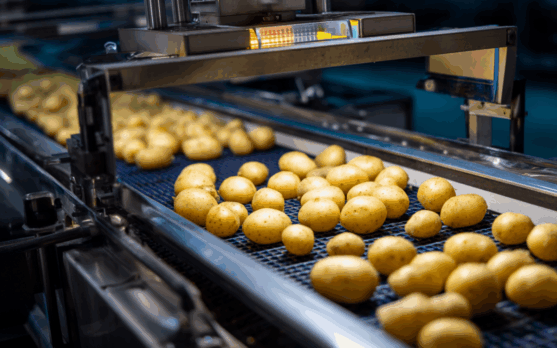
Moreover, AI is enhancing food safety and quality through meticulous monitoring and data analysis. In food manufacturing, AI-driven vision systems inspect products for quality and safety, identifying any inconsistencies or contaminants that could compromise the final product. This rigorous quality control process is vital in maintaining consumer trust and upholding brand reputation in the competitive food service market.
Envisioning the Future of Food Service with Robotics and AI
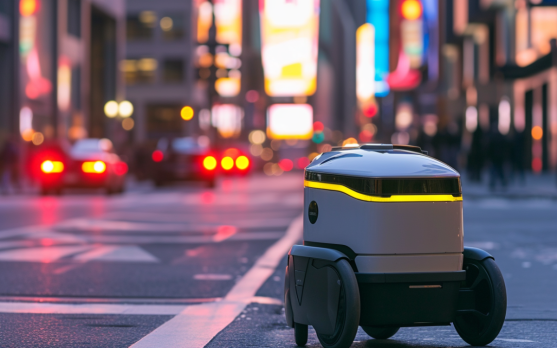
The integration of robotics and AI in food service is just the beginning. As these technologies continue to evolve, we can anticipate even more innovative applications that will further transform the industry. For instance, robotic delivery services are becoming increasingly viable, offering a fast, reliable, and cost-effective solution for food delivery. Companies like Starship Technologies are leading the charge with their autonomous delivery robots, capable of navigating urban environments to deliver food directly to customers' doorsteps.
Furthermore, the realm of culinary creativity is set to expand with the adoption of robotic technology. Robots like those developed by Dexai Robotics and Picnic are not only automating routine tasks but also enabling the creation of complex, customized dishes at scale. This democratizes gourmet cuisine, making it accessible to a broader audience and opening up new avenues for culinary exploration and innovation.
As we look to the future, the synergy between human culinary talent and robotic precision promises to elevate the food service industry to new heights. This collaboration will lead to enhanced efficiency, creativity, and customer satisfaction, setting a new standard for excellence in food service.
Conclusion
The adoption of cobotics and AI in the foodservice industry is not just a trend but a strategic evolution towards more efficient, safe, and innovative operations. These technologies offer tangible benefits, from enhancing food safety and quality to improving customer service and operational efficiency. As we move forward, the symbiotic relationship between humans and machines will continue to thrive, setting new benchmarks for the future of foodservice.
Essential Insights
- Cobotics and AI are driving efficiency and innovation in foodservice, from preparation to delivery.
- Technologies like the BreadBot and Flippy 2 demonstrate the practical application and benefits of automation in foodservice.
- AI enhances customer service and supply chain efficiency, while cobotics ensures precision and consistency in food preparation.