Recycle, Compost, Reuse: The Triple Crown of Sustainable Packaging
As environmental awareness heightens, brands are increasingly turning to sustainable packaging solutions – focusing on recyclable, compostable, and reusable options. This commitment not only addresses waste reduction but also aligns with growing consumer demands for eco-friendliness. This article explores the innovative approaches brands are adopting in the realm of sustainable packaging.
The Rising Importance of Sustainable Packaging
In the wake of global environmental concerns, sustainable packaging has become more than a trend; it's a necessity. Brands are recognizing the critical role packaging plays in environmental conservation, particularly in reducing landfill waste and conserving natural resources. By adopting sustainable packaging, companies are not only contributing to environmental protection but also catering to a consumer base that increasingly values eco-conscious practices.
Sustainable packaging also aligns with global initiatives to reduce carbon footprints and manage waste more efficiently. By rethinking packaging, brands can significantly decrease their environmental impact while maintaining product quality and safety.
Advancements in Recyclable Packaging
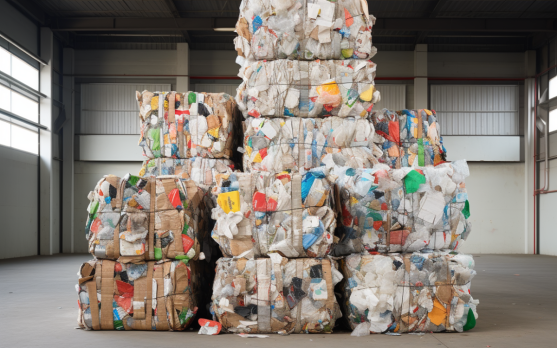
Recyclable packaging is a key area where brands are making strides. Innovations include using materials that can be reprocessed and turned into new products, minimizing waste. For instance, many companies are shifting to mono-material packaging, which is easier to recycle than multi-layered materials.
Brands are also investing in research to improve the recyclability of plastics. Innovations like enhanced biodegradable plastics and improved sorting technologies in recycling facilities are making plastic packaging more sustainable.
Embracing Compostable Packaging Materials
Compostable packaging is gaining traction as an alternative to traditional plastics. These materials break down into natural elements in a compost environment, leaving no toxicity in the soil. This shift is particularly evident in the food and beverage industry, where compostable packaging can significantly reduce the environmental impact of single-use items.
Materials such as PLA (polylactic acid) derived from renewable resources like cornstarch are being used for compostable packaging. Brands are also exploring packaging made from agricultural waste, mushroom mycelium, and other organic materials.
Trend Towards Reusable Packaging Solutions
Reusable packaging is another sustainable solution gaining popularity. This approach encourages consumers to reuse packaging, thereby reducing the demand for single-use containers. Brands are developing packaging designs that are durable, functional, and attractive enough to encourage repeated use.
Some companies are experimenting with return-and-refill systems, where consumers can return empty packaging to be refilled. Others are designing multipurpose packaging that consumers can repurpose at home, adding value beyond the original use.
Challenges and Pathways to Innovation in Sustainable Packaging
While the shift to sustainable packaging is promising, it comes with challenges. One major hurdle is the cost and availability of sustainable materials. Additionally, changing consumer behavior and supply chain adaptations pose significant challenges.
Despite these obstacles, continued innovation is key. Brands are exploring new materials and technologies, such as advanced biopolymers and digital printing for eco-friendly labeling, to overcome these challenges.
Case Studies: Brands Leading in Sustainable Packaging
Several forward-thinking brands have successfully integrated sustainable packaging into their operations. Companies like Loop are pioneering reusable packaging models, while others are using entirely compostable materials for their products. These case studies not only inspire other brands but also demonstrate the feasibility and benefits of sustainable packaging initiatives.
The Role of Consumers in Driving Sustainable Packaging Trends
Consumer demand plays a significant role in the shift towards sustainable packaging. As more consumers opt for environmentally friendly products, brands are more inclined to invest in sustainable packaging solutions. This consumer influence is a powerful force in driving industry-wide changes towards more eco-friendly practices.
Looking Ahead: Future Trends in Packaging Sustainability
The future of sustainable packaging is likely to see even more innovative solutions. Developments such as AI in recycling processes, biodegradable packaging advancements, and increased government regulations on packaging waste will continue to shape this landscape. As technology and consumer awareness evolve, sustainable packaging will become an integral part of brand strategies.
Conclusion
The movement towards recyclable, compostable, and reusable packaging represents a crucial step in addressing environmental concerns in the consumer goods industry. As brands continue to innovate and respond to consumer demands, sustainable packaging will play a pivotal role in shaping a more eco-friendly future, making the triple crown of sustainability – recycle, compost, reuse – a standard in packaging design.
Essential Insights
- Sustainable packaging is crucial for environmental conservation and aligning with consumer preferences.
- Innovations in recyclable, compostable, and reusable packaging are transforming the industry.
- Challenges in cost and consumer behavior are being met with continued innovation.
- Case studies of successful brands provide a roadmap for sustainable packaging adoption.
- Consumer demand is a significant driver in the shift towards sustainable packaging.
- Future trends in sustainable packaging will likely involve advanced technologies and increased regulations.