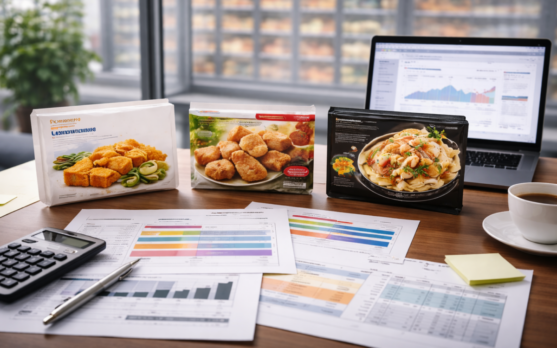
Limited Edition Frozen Pastries as a Traffic Engine: How "Limited Time" Became a Repeatable Play in the Freezer
Frozen bakery used to win by being steady. The same croissants, the same danishes, the same family packs that quietly did their job every week. Now the aisle is learning a new trick: it can create urgency. Limited edition flavors, seasonal drops, and "available for a limited time" packs are turning frozen pastries into a traffic tool. Not a one-off stunt, a program. The interesting part is not the flavor itself. It is the behavior it creates: people come back to check what is new.
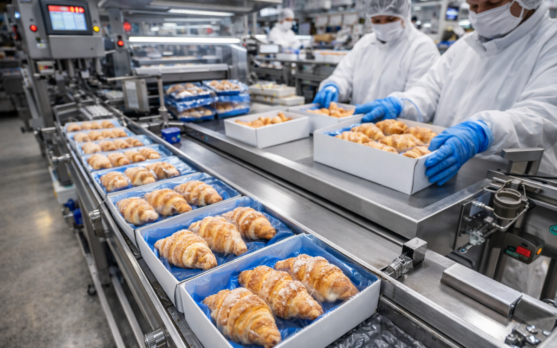
Why limited time works especially well in frozen bakery
Frozen is not where shoppers expect surprises. That sounds like a weakness, but it is actually the opening. A small change in frozen bakery reads bigger than the same change would in snacks or fresh bakery. A new filled croissant flavor is not competing with fifty new snack launches. It is competing with yesterday.
There is also a practical advantage: frozen lets brands and retailers run seasonal excitement without the fragility of fresh. Less spoilage risk. More control over inventory timing. Cleaner merchandising windows. That makes "limited time" easier to execute without turning the backroom into chaos.
What shoppers are really buying: permission, not pastry
Limited time products sell indulgence with a story attached. A shopper can justify it because it feels like a moment, not a habit. Seasonal, special, fun. The purchase becomes a small event.
That matters in frozen bakery because the base behavior already exists. People already do weekend baking, quick breakfasts, last-minute desserts. A limited edition does not need to invent a new routine. It just upgrades an old one for a few weeks.
The playbook that makes a drop feel exciting but still scalable
Keep the format familiar, change one signal
The safest drops keep the base product recognizable. Croissant twists. Mini danishes. Filled bites. Puff pastry squares. The novelty lives in one or two signals that are easy to read on pack: a seasonal filling, a glaze, a topping, maybe a flavor pairing that feels current.
This is not lack of imagination. It is risk management. Familiar format reduces trial friction and reduces manufacturing surprises. Shoppers know what to do with it. Retail knows where to place it. The new flavor does the marketing work.
Engineer for real home baking, not perfect ovens
Frozen pastries live in the real world: uneven ovens, impatient preheats, air fryers running hot, and people checking too early. A limited edition cannot afford to be delicate. If the filling leaks, if the lamination collapses, if the bake is inconsistent, the excitement dies fast.
The brands that repeat this strategy usually sweat the unglamorous details: filling viscosity, bake tolerance, clear instructions, and a product that still looks good even when the consumer does not.
Make "limited time" obvious from six feet away
In frozen, packaging is the salesperson. A limited edition has to communicate in a second. That usually means a simple badge, seasonal cues, and a name that people can repeat without thinking. If a shopper cannot describe it to a friend quickly, it will not travel.
Why retailers like it: the freezer aisle finally gets a reason to be talked about
Retailers do not only want a new SKU. They want a reason to pull attention into a part of the store that is normally quiet. A limited time pastry gives them content for weekly ads, email, in-store signage, and social, without needing a huge reset.
It also supports cross merchandising in a way frozen bakery sometimes struggles with. Limited time pastries pair naturally with coffee, cocoa, berries, breakfast bundles, seasonal ice cream, even weekend promotion themes. The result is not only unit sales. It is basket lift.
The operational truth: limited time only works if you plan the exit
There are two classic ways to break the magic.
The first is under-forecasting. Shoppers come back and find nothing. That creates frustration, not loyalty. The second is over-forecasting and then discounting the item for weeks. Once people see "limited time" lingering, they stop believing the next one.
Teams that run this well treat it like a cycle with a beginning and an end.
Launch window: strong visibility, clean shelf execution, enough inventory to avoid empty facings.
Mid-window control: watch store clusters, reallocate quickly, keep displays full in the places where it is working.
Exit discipline: a defined end date and a sell-through plan that does not turn the product into "permanent clearance."
Exit discipline is what keeps the strategy credible. Without it, the drop becomes just another seasonal SKU.
How limited editions become a traffic engine, not a one-time spike
One limited pastry can create buzz. A program creates repeat trips. The difference is cadence.
The smartest programs tend to follow a simple rhythm:
Seasonal anchors: predictable moments where shoppers already expect treats, with a new twist each time.
Small fast tests: short runs that validate flavors and formats without betting the year on them.
Occasional collaborations: when the partner story is clear and the product still tastes like something people actually want to eat.
Over time, shoppers learn the pattern. They start checking frozen bakery the way they check new snacks. That is the behavioral win.
What to measure if you want to know it worked
Fast sell-through can look impressive, but it is not the whole story. The better question is whether the drop changed category behavior.
Repeat rate: did households come back again during the window?
Incremental trips: did the drop pull extra visits, or did it simply replace a different treat?
Basket lift: what else moved with it?
Halo effect: did core frozen bakery improve, or did the limited SKU cannibalize the base?
Clean exit: did it leave on time without heavy discounting?
Conclusion
Limited edition frozen pastries are working because they give the freezer aisle something it rarely has: a reason to look now. Not next week.
When the format is familiar, the message is clear, and the inventory is managed with discipline, seasonal drops become a repeatable strategy. They create buzz, drive repeat trips, and make frozen bakery feel current without taking fresh-bakery risk. The aisle does not need to be noisy. It just needs moments that shoppers believe.
Essential Insights
Limited time frozen pastry drops can drive repeat trips when they balance familiar formats with a clear seasonal hook, are built for reliable home baking, and are managed with disciplined launch and exit planning. The real win is traffic and category momentum, not just a short spike in units.