Saudi Arabia’s Protein Import-Substitution Play: Halal Capacity, Local Processing, and the Gulf Ripple Effect
Saudi Arabia is turning protein into industrial policy. The goal is not just “more local chicken.” It is a deeper reset: build halal-aligned capacity, reduce reliance on imported frozen poultry, and position the Kingdom as a regional processing and export hub. In 2026, that strategy is showing up in concrete expansions across chicken and meat processing, plus upstream moves to lock in feed and ingredients supply. The knock-on effects are already visible across Gulf demand patterns, supplier leverage, and the economics of frozen poultry and prepared products.
What “import substitution” looks like in 2026
In the Gulf, poultry has traditionally been the easiest import: frozen whole birds and parts arrive at scale, pricing is benchmarked to Brazil and a handful of other exporters, and the local supply base is limited by feed dependence and production economics. Saudi Arabia is trying to change the shape of that equation. Under Vision 2030, the Kingdom has publicly aimed for very high poultry self-sufficiency targets, with recent industry coverage pointing to a 90% goal for broiler meat. Progress has been measurable, with self-sufficiency estimates rising materially versus the mid-2010s.
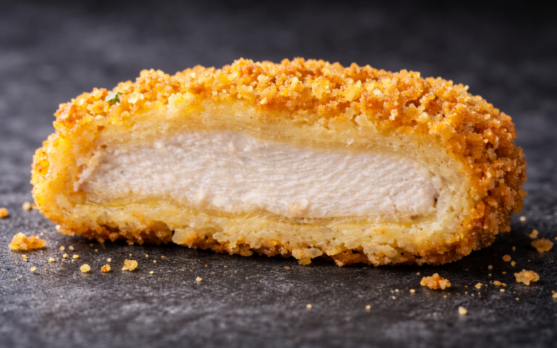
The important shift is that Saudi is not only adding farms. It is adding processing that supports higher-value output: deboned meat, portion-controlled cuts, further-processed poultry, and ready-to-cook formats that can replace imported finished goods and also travel to neighboring GCC markets.
The new capacity wave is led by large-scale processors and global majors
Three signals matter in 2026. First, global meat groups are building inside Saudi rather than shipping everything in. JBS has said it plans to double output at its newer Jeddah chicken plant by end-2026, tying the investment directly to the Kingdom’s push to cut food imports. That plant has also been used to export to nearby Gulf countries, which tells you the strategy is not purely domestic.
Second, Saudi-linked halal ventures are moving beyond branding into concrete processing tonnage. Reuters reporting points to BRF working with Saudi Arabia’s Halal Products Development Company to expand their joint venture and open a 40,000-ton-capacity meat processing plant in Jeddah by mid-2026. This is the kind of scale that shifts trade flows, because it can displace imports in multiple channels: retail frozen, foodservice, and industrial buyers using poultry as an input.
Third, local champions are building for volume and for further processing. Credit agency commentary on Almarai flagged new poultry capacity phases starting operations in 2025 and continuing through the 2024 to 2026 window, aligning with its broader volume-growth focus. Tanmiah, meanwhile, has highlighted commissioning of new facilities in Saudi including a dedicated large-bird processing plant and a new feed mill, which is a practical tell. Large birds matter because they support deboning yields and downstream processing formats, the exact products that help substitute imports of prepared poultry.
Why halal is not just a compliance label in this play
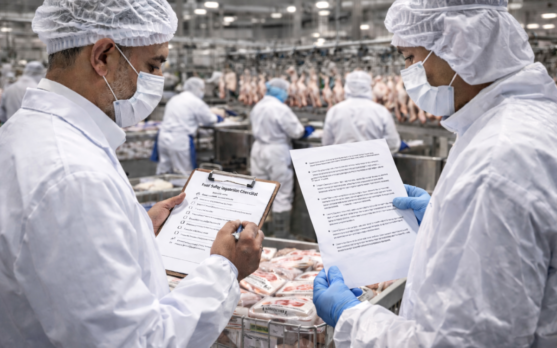
Halal is a market access tool and a trade asset. Saudi’s ambition to be a halal production hub is showing up in how investments are framed: not only “serve local demand,” but “serve regional and potentially wider halal markets.” When capacity is built under a Saudi halal governance umbrella, it can standardize assurance for buyers in the GCC and beyond, and it can shorten the path to listing in markets that care about certification provenance.
That matters for frozen and prepared products because these categories are most sensitive to trust. Consumers accept imports, but retailers and foodservice buyers prefer predictable, auditable supply. A regional halal hub model reduces friction in procurement, especially for high-volume items where small disruptions become big headaches.
How Gulf demand patterns change when Saudi builds out
The first change is mix. As Saudi adds local deboning and further processing, demand shifts away from imported finished goods toward imported inputs and services: feed grains, premixes, genetics, packaging, flavors, coatings, and processing equipment. In other words, some imports decline, but others rise. The import basket becomes more industrial.
The second change is geography. If Saudi-based processors are exporting into the GCC, a portion of intra-Gulf trade replaces long-haul shipments from Brazil or Europe. That does not eliminate imports, but it can change who holds the customer relationship. A buyer in Kuwait might still be consuming Brazilian-origin protein, but purchased as a Saudi-processed, Saudi-branded halal product with regional service levels and faster replenishment.
The third change is seasonality management. Gulf demand spikes around periods like Ramadan and large event seasons. When capacity sits closer to consumption, inventory planning becomes more flexible, especially for frozen prepared lines that can run ahead of peaks and deliver with shorter lead times.
Supplier leverage: who loses power, who gains it
Historically, large exporters of frozen poultry have enjoyed leverage in the Gulf because volume, price benchmarking, and logistics scale were concentrated. Local capacity changes that bargaining dynamic. Retailers and foodservice groups gain an extra negotiating lever: they can play imported supply against local output, and they can demand tighter specifications, faster turnaround, and better promotional support for frozen packs.
But leverage does not disappear, it moves. Feed and input supply becomes the new pressure point. Saudi poultry expansion is still exposed to imported feed and upstream commodities. Industry analysis has repeatedly pointed to the constraint: rapid production growth is hard to sustain when feed is imported and local resource limits, like water, raise cost. Saudi’s broader food security investments into global agribusiness and grain supply chains reinforce the same reality. To substitute imports of meat, you often end up importing more corn and soy, just in a different form.
Packaging suppliers and ingredient houses also feel the shift. As more volume moves into branded frozen and prepared formats, the negotiating weight of large processors increases. Specs get standardized, vendor lists get shorter, and suppliers are pushed to co-develop formats that perform in frozen logistics and high-throughput plants.
The economics of frozen poultry and prepared products
Import substitution sounds simple until you run the cost stack. Local processing can reduce freight and lead-time risk, and it can improve service levels, but it can also raise costs if feed, utilities, and cold chain operations are expensive. The economic win depends on scale and integration.
That is why the current wave is focused on high-capacity plants and integrated models: control more of the chain, improve yield, reduce waste, and spread fixed costs across large volumes. If you can debone efficiently, use more of the carcass, and shift output into higher-margin prepared items, the economics start to work even in a challenging input environment.
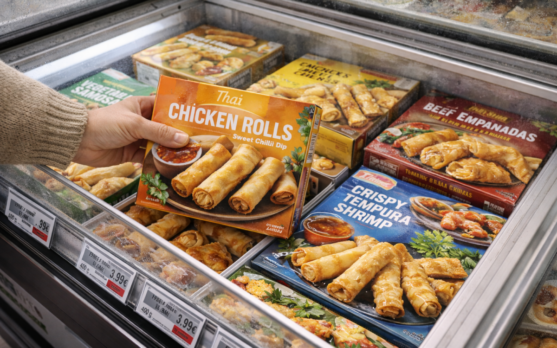
For frozen retail, the key is value-added. Whole birds are price-sensitive and heavily benchmarked. Prepared poultry and portion-controlled cuts are less purely price-driven, and they reward consistency, halal assurance, and local responsiveness. That is the lane Saudi capacity is trying to occupy, and it is where substitution has the most chance to stick.
What to watch next
In the near term, the strongest indicator is not a press release. It is where retailers allocate freezer space and how foodservice contracts get rewritten. If Saudi-based processors keep expanding further-processed lines and exporting into the GCC, the region’s poultry trade will look less like a one-way import corridor and more like a hub-and-spoke network.
The second indicator is input security. Expansion is only durable if feed and upstream supply chains remain stable and competitively priced. The Kingdom’s global agribusiness investments suggest decision makers understand that the bottleneck is upstream, not only on the processing floor.
Conclusion
Saudi Arabia’s protein import-substitution strategy is moving from policy intent to industrial reality in 2026. New chicken and meat processing expansions, framed through halal capability and regional export ambition, are starting to reshape how the Gulf buys protein. Imports do not vanish, but the mix changes: less reliance on finished frozen poultry shipped long distances, more local processing and more upstream input imports. The leverage landscape shifts with it, weakening pure-exporter dominance while increasing the importance of feed, packaging, and value-added processing partners. For frozen poultry and prepared products, the Kingdom is not just trying to replace imports. It is trying to own more of the value chain and then sell that value regionally.
Essential Insights
Saudi’s 2026 capacity buildout is shifting Gulf protein trade from “import finished poultry” toward “produce and process locally under halal governance,” improving regional service levels and changing negotiating power, while pushing more focus upstream to feed and input security.